
















































































































































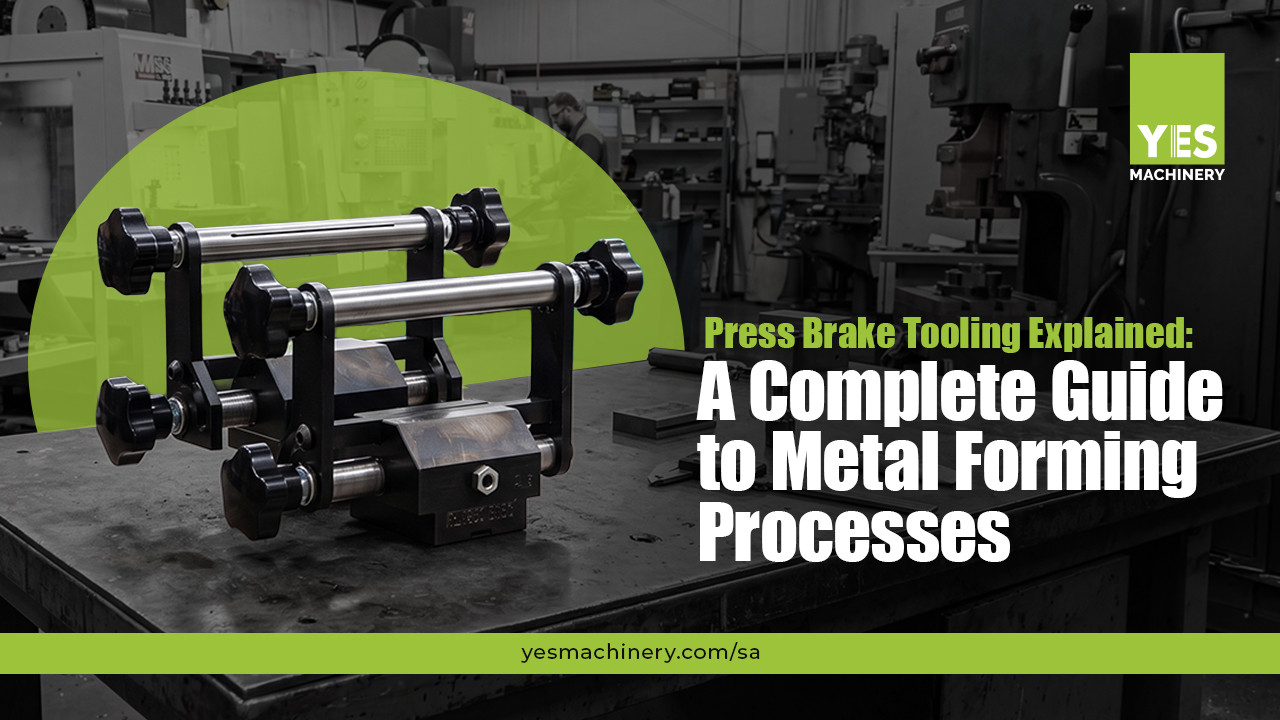
Press Brake Tooling Explained: A Complete Guide to Metal Forming Processes
- Category Parts & Consumables
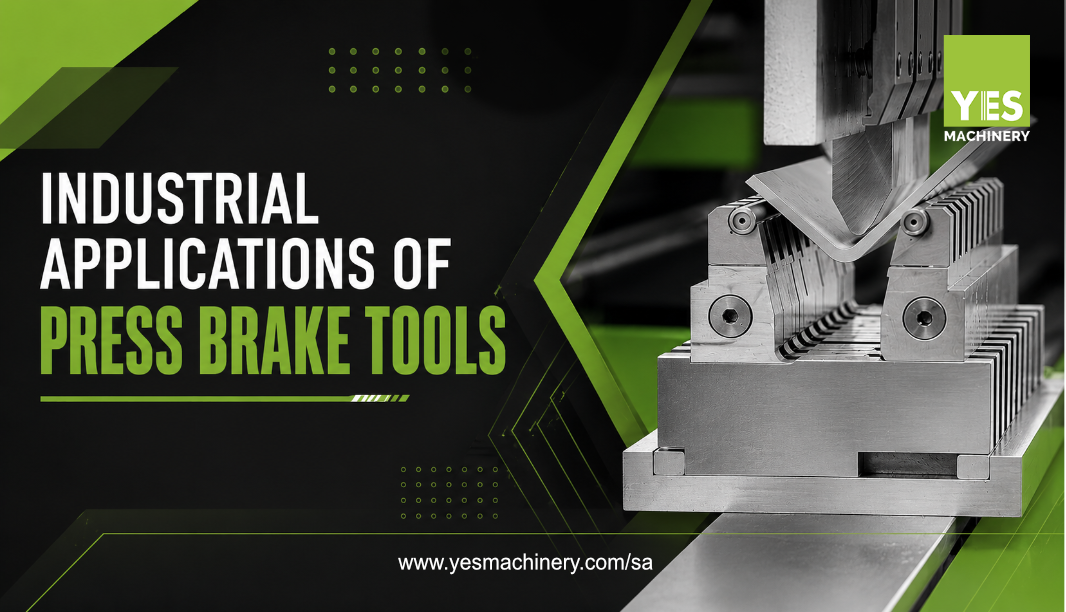
Press brake tooling becomes the key element for forming metal sheets into particular components. It works in tandem with hydraulic or electric press brakes to perform accurate bends. Understanding the nature of these tools allows increasing productivity and improving quality of metal parts. What is Press Brake Tooling? Press brake tooling is a special kind of punch and die sets mounted onto the press brake machine for bending metal sheets. It uses the punch to push the sheet into the die cavity creating certain angles and shapes according to the final design.
Standard Tools
Almost all companies use the standard punches and dies sets in case of common bending tasks due to their availability and affordability. These tools come in different shapes and have different radii allowing them to deal with different metal thicknesses for everyday tasks.
Custom Tools
Sometimes manufacturers design customized tools as the standard ones may not provide all the required properties for solving certain problems. Such tools help engineers cope with complicated bending operations while providing required accuracy and precision of components.
Quality of Materials
The lifespan of press brake tools is highly dependent on materials selected during their manufacturing process. High-quality hardened steel makes sure that tools will resist all kinds of deformations even during heavy-duty long-term operations.
Uses, Advantages & Overview
1. Consistent Bends Accuracy
Preciseness is the key aspect when designing complicated sheet metal parts for assembly lines and engineering projects. Using high-quality tools allows achieving the required bend's angle without the necessity to adjust it manually thus saving time during large-volume manufacturing processes while providing total customer satisfaction.
2. Working with Various Material
Thickness Depending on the purpose of the finished part, engineers have to use thin gauge sheets or heavy plates as different projects require different materials. With the help of an appropriate combination of punches and dies, the press brake machine will be able to operate with these differences easily.
3. Long Machine Lifespan
Appropriate selection of tooling prevents wearing down of the press brake machine components due to its intensive work schedule. Correct fit of the tools distributes the pressure evenly between ram and bed avoiding unnecessary strains of the equipment. Investment in quality tools will protect your expensive capital equipment from damage and reduce the costs of its maintenance during a number of years.
4. Quick Setup Process
Contemporary tooling systems have quick-change mechanisms that make installation and removal of dies easier during workday. Thus, workers do not have to spend extra time preparing for operations and devote maximum efforts to production of the finished parts. Such gains in efficiency will definitely help to reduce labor costs and increase production rates in the shop.
5. Improvement of Workplace Safety Conditions
Working in a safe manner presupposes using secure tools that are fastened and rated for certain tonnage of the machine. High-quality tools have robust mounting surfaces that provide stability to dies when the press brake machine exerts huge pressure on the metal piece. It helps to ensure safety of shop personnel during daily work with heavy machinery.
6. Creating of Complicated Geometry Shapes
Advanced tooling allows bending metal into complicated shapes that become possible only with the help of advanced equipment. This kind of tooling allows bending of metal several times in one stroke accelerating production speed of large quantities of metal pieces. Engineers use such advanced tools to create superior products for competitive market niches.
7. Protection of Metal Surfaces from Damages
Advanced tools usually have polished surfaces or protective coatings that allow bending metal without damaging its finish. It is especially important when working with stainless steel or pre-painted sheets that should remain undamaged after bending procedure. Choosing correct die opening and radius helps to ensure quality of the surface of finished metal parts.
8. Reduction of Energy Usage
High-quality tooling requires less pressure to push metal into the die cavity reducing energy consumption of the process. Choosing the correct die opening allows maximizing mechanical advantages of the press brake machine. Less energy consumption leads to a positive impact on the financial situation of the shop and allows implementing a more sustainable manufacturing process.
9. Increase in Production
Throughput Correct tooling helps machines to work more intensively and have less downtime for repairing and adjusting. When everything is going well and smoothly, shops can fulfill customers' orders much faster than their competitors. Increase of production capacity gives an opportunity to manage bigger projects and expand business activity.
10. Possibility of Precise Angle Control
Precisely produced angles become very important for components that should fit each other perfectly in the final assembly. Special tooling allows making small adjustments to overcome spring back and thickness variations that occur during the bending process. Such precision helps to avoid waste and guarantees that all parts meet required design specifications.
Conclusion
Press brake tooling becomes an important investment for any metal fabrication company willing to improve quality and efficiency of their work. Correct selection and proper maintenance of these tools allow performing various projects without extra costs. Consistent usage of high-quality tools will definitely bring success to your manufacturing activities. Hence we recommend YES Machinery related purchases.
Related Blogs
Search
Latest Blog
How Part Inspection Machines Help in Reducing Manufacturing Defects?
Benefits of Using Scissor Lifting Tables in Industrial Operations
Importance of Plate Rolling Machines in Modern Metal Fabrication
Categories
- Assembly and Lean
- Cleaning Machines
- Cleaning Robots
- Cutting, Notching, Punching
- Edge Preperation
- Grinding Machines
- Industrial Vacuum Cleaners
- Lifting
- Lifting and Manipulation
- Machines
- Marking Solutions
- Metal Forming
- Metal Joining and Fastening
- Packing
- Parts & Consumables
- Pipe Handling
- Storage Solutions
- Sweeper Tool Carrier
- Vacuum lifting machine
- Warehousing and Storage
- Welding