Small openings around doors, covers, housings, and assembled parts can expose sensitive components to dust, moisture, water, and air leakage. A well-designed sealing system closes these spaces and helps protect the product throughout its operating life.YES Machinery supplies FrechFoam® polyurethane systems from FreChem for industrial sealing applications. These materials can be processed using Formed-in-Place Foam Gasket technology, commonly called FIPFG.Instead of fitting a separately manufactu...
Small openings around doors, covers, housings, and assembled parts can expose sensitive components to dust, moisture, water, and air leakage. A well-designed sealing system closes these spaces and helps protect the product throughout its operating life.
YES Machinery supplies FrechFoam® polyurethane systems from FreChem for industrial sealing applications. These materials can be processed using Formed-in-Place Foam Gasket technology, commonly called FIPFG.
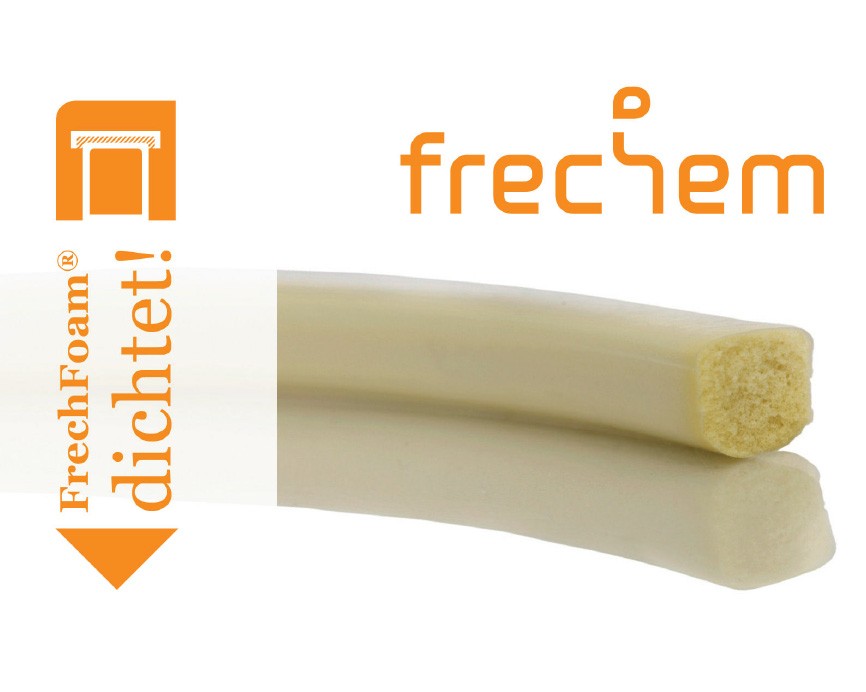
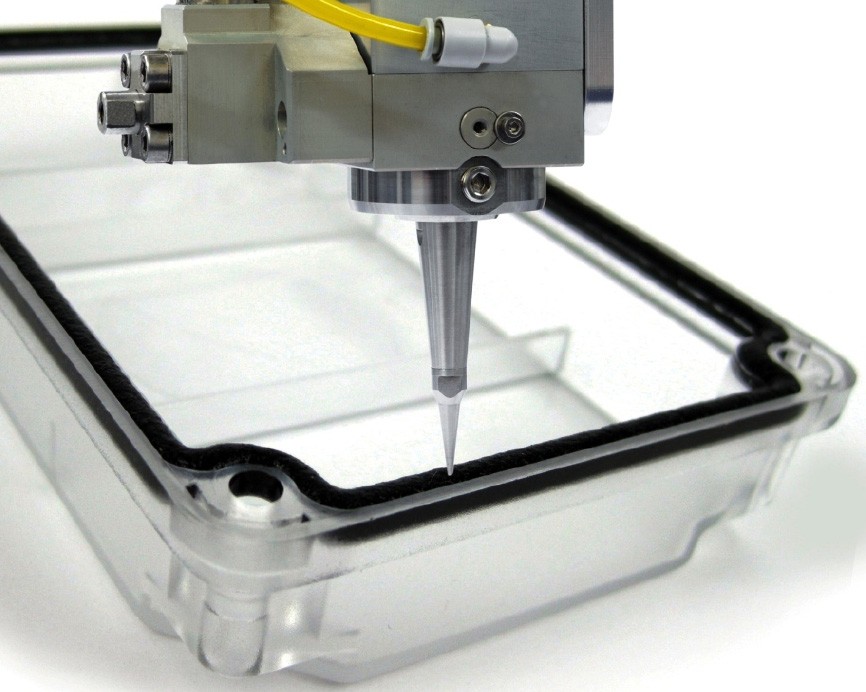
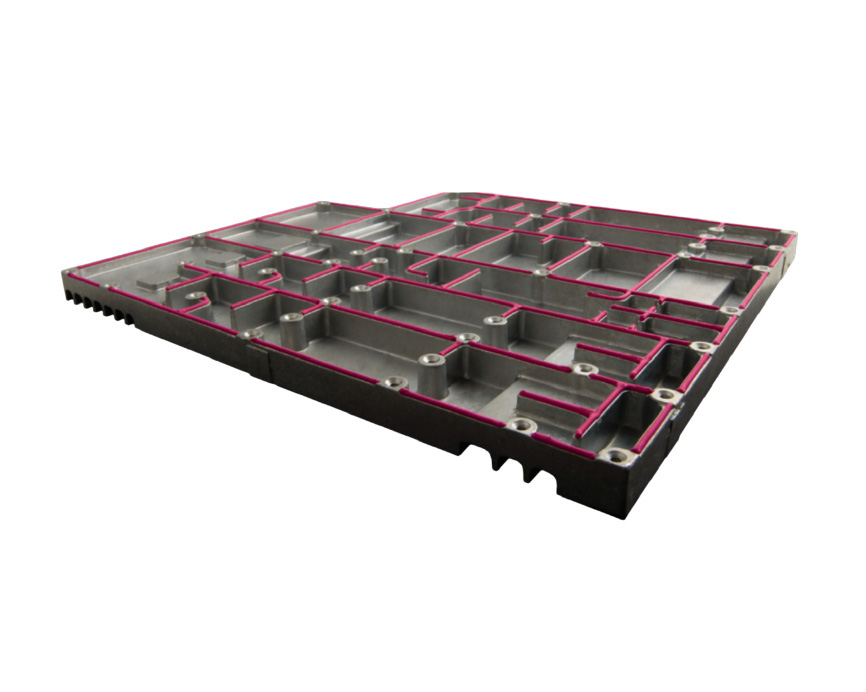
Instead of fitting a separately manufactured gasket, the sealing material is prepared and applied to the component as part of the production process. After application, it develops into a soft foam profile that remains attached to the part. When the product is closed or assembled, this profile is compressed between the mating surfaces to create the required seal.
Understanding Polyurethane Chemicals
Polyurethane is created through a reaction involving a polyol component and an isocyanate component. The formulation may also contain catalysts and other additives selected according to the required performance.
By adjusting the formulation, manufacturers can obtain polyurethane materials with different levels of softness, density, elasticity, hardness, and resistance.
For foam-gasket applications, the material must remain sufficiently elastic to recover after compression while also being soft enough to compensate for differences between the two assembled surfaces.
The most suitable formulation depends on factors such as:
•Component material
•Surface condition
•Required gasket dimensions
•Compression level
•Exposure to water or chemicals
•Operating temperature
•Indoor or outdoor use
•Expected production quantity
•Applicable testing or certification requirements
How FIPFG Sealing Works
FIPFG means Formed-in-Place Foam Gasket. The name describes a process in which a foam gasket is produced directly on the part that needs to be sealed.
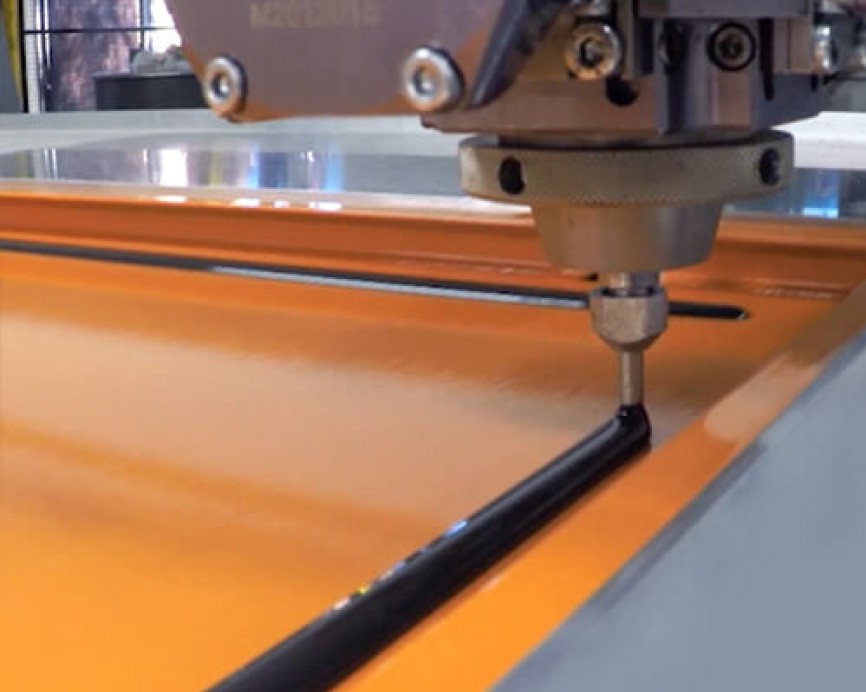
The two PU components are supplied to a mixing and dispensing system. After being combined in the required ratio, the material is deposited along the specified sealing route. Its reaction produces a foamed profile that cures in position.
The completed component is then joined to its mating part. Compression of the foam profile helps close variations between the surfaces and maintain contact along the sealing area.
Because the sealing route is controlled through the dispensing program, it can be adapted to circular profiles, corners, narrow sections, curves, and other complicated component shapes.
FrechFoam® Sealing Systems
FrechFoam® is FreChem’s range of two-component polyurethane foam systems. The softer variants are developed for sealing applications in which flexibility and controlled compression are important.
The foam structure supports the formation of a close-fitting seal between assembled parts. Subject to the selected grade and the design of the finished product, FrechFoam® may be used to help protect components from:
•Dust and dirt
•Water and moisture
•Humid air
•Air movement
•Selected chemical exposure
•Other environmental influences
FrechFoam® should be selected according to the actual component, substrate, exposure conditions, and performance expected from the finished assembly.
Benefits of PU Foam Gaskets
Conforms to the Component
The foam profile can accommodate minor variations and irregularities in the contacting surfaces.
Recovers After Compression
An appropriately selected foam retains elasticity, allowing it to recover after the mating component is opened or released.
Remains Attached to the Part
The gasket is produced on the component itself. This helps prevent movement or incorrect placement during subsequent assembly.
Supports Complicated Sealing Routes
Program-controlled dispensing makes it possible to apply gaskets around corners, openings, curves, and non-standard component shapes.
Limits Separate Gasket Handling
Operators do not have to position an individual gasket during every assembly cycle.
Controls Material Placement
Material is deposited along the specified sealing area, helping manufacturers manage PU consumption and maintain a repeatable gasket profile.
Supports Production Repeatability
Once the application settings have been established, the same sealing route can be reproduced across multiple components.
Where FIPFG Technology Can Be Used
FIPFG sealing can be considered for products with doors, lids, covers, frames, housings, access panels, or other mating parts.
Common applications include:
•Electrical cabinets and enclosures
•Electronic equipment housings
•Switchgear and control panels
•Industrial distribution boxes
•Automotive assemblies
•Engine-compartment parts
•Vehicle interior modules
•Air-handling ducts
•HVAC equipment
•Refrigeration units
•Lighting housings
•Filter frames and filter housings
•Battery and energy-storage enclosures
•Machinery panels and protective covers
•Domestic and industrial appliances
Industries Using PU Foam Sealing
Polyurethane foam-gasket technology supports manufacturers operating in sectors such as:
•Electrical engineering
•Electronics manufacturing
•Automotive production
•HVAC and refrigeration
•Industrial lighting
•Filter manufacturing
•Battery and energy systems
•Appliance manufacturing
•General industrial production
•Machinery and equipment manufacturing
Production Advantages
Less Dependence on Prefabricated Gaskets
Manufacturers can avoid purchasing and managing numerous precut gasket shapes for different components.
Easier Product Changes
When the component design changes, the sealing route may be adjusted through the application program, subject to the machine and process configuration.
Cleaner Inventory Management
Reducing the number of individual gasket types can simplify purchasing, storage, and production planning.
Reduced Assembly Work
The seal is already present on the component when final assembly begins, reducing the number of loose parts handled by the operator.
Repeatable Application
Controlled mixing and dispensing help maintain the position and shape of the gasket from one component to the next.
Efficient Material Use
Applying the material only along the required route can reduce offcuts and unused material associated with some conventional gasket-production methods.
UL 50E Applications
Certain FrechFoam® sealing materials are available for applications governed by UL 50E requirements.
UL 50E concerns environmental considerations for enclosures used with electrical equipment. Evaluation under this standard may include the ability of enclosure components and materials to withstand conditions associated with moisture, water, dust, corrosion, and environmental ageing.
Compliance should never be assumed for the complete FrechFoam® product range. The approval status of the particular material grade must be checked against the required enclosure classification and application conditions.
The finished enclosure may also require separate testing. Using a tested sealing material alone does not automatically provide certification for the complete assembled product.
Other FreChem Polyurethane Systems
FreChem’s portfolio extends beyond soft sealing foam. Different polyurethane formulations may be available for:
•Adhesive bonding
•Filter assembly
•Electrical-component potting
•Cavity filling
•Component reinforcement
•Insulating applications
•Elastomer production
•Dense resin casting
•Prototype production
•Structural bonding and repair
•Industrial binders
These are separate application categories. The material used for a foam gasket should not automatically be considered suitable for bonding, casting, or potting unless FreChem specifies it for that purpose.
Why Work With YES Machinery?
Application-Based Material Selection
Our team reviews the component, substrate, sealing route, operating environment, and production target before recommending a solution.
FreChem Product Support
YES Machinery supplies FrechFoam® and other FreChem polyurethane systems for relevant industrial processes.
Dispensing-Solution Evaluation
We help customers assess the equipment and application method required for controlled mixing, metering, and placement of the PU material.
Support for Different Component Designs
The proposed solution can be assessed against the actual dimensions, geometry, surface, and sealing requirements of the customer’s product.
Production-Oriented Approach
Our objective is to establish a process that supports consistent application while reducing avoidable handling, material consumption, and assembly work.
Technical Coordination
We coordinate with the customer and manufacturer to review the application and determine whether trials, samples, or further technical information are needed.
Information Required for an Evaluation
To evaluate your sealing application, please provide:
•Component drawing or 3D model
•Photographs of the sealing area
•Component and surface material
•Required gasket width and height
•Available compression space
•Required protection level
•Operating-temperature range
•Exposure to water, oils, or chemicals
•Indoor or outdoor operating conditions
•Number of components required per day
•Required cycle time
•Applicable standards or approvals
Based on this information, YES Machinery can coordinate the evaluation of a suitable FrechFoam® material and FIPFG application solution.
Discuss Your Sealing Application With Us
Every gasket application has its own combination of surface, geometry, compression, and environmental requirements. Selecting the PU formulation and dispensing arrangement should therefore be based on the real component rather than on a general product description.
Contact YES Machinery to discuss your component and production requirements. Our team will help review the application and coordinate the appropriate FreChem polyurethane sealing solution.


 Germany