

Material Handling
By: R.Beck Maschinenbav
 Germany
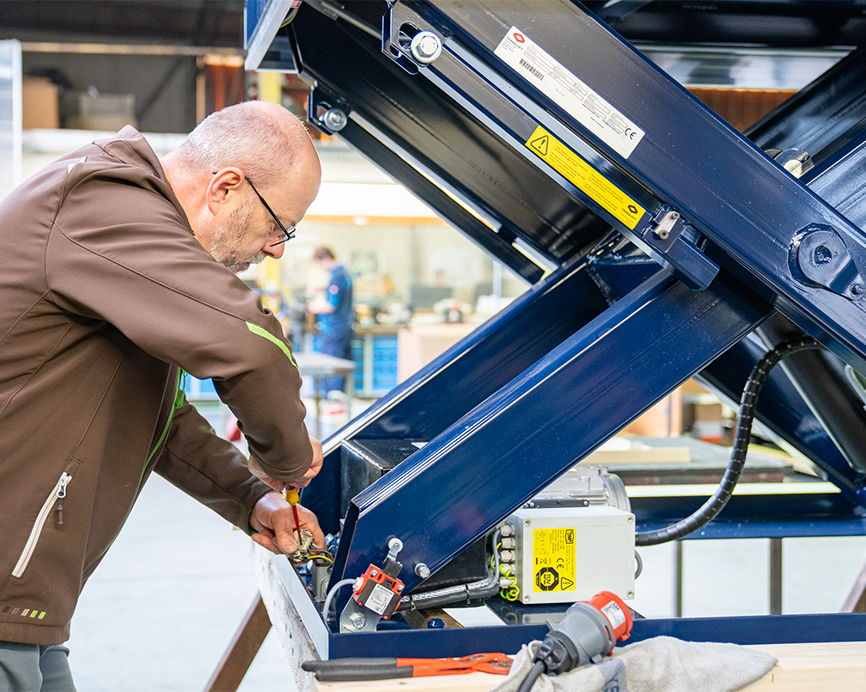
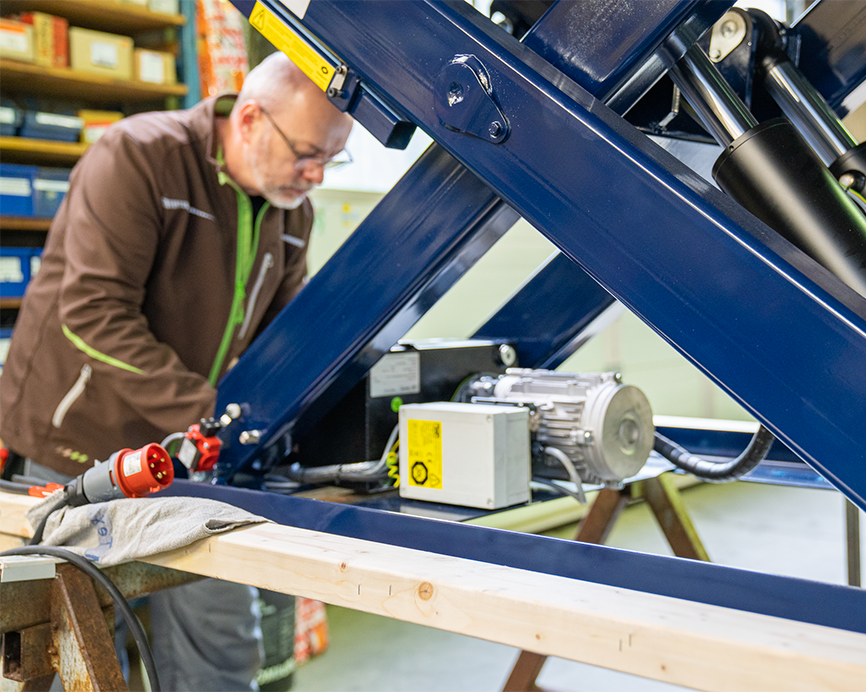
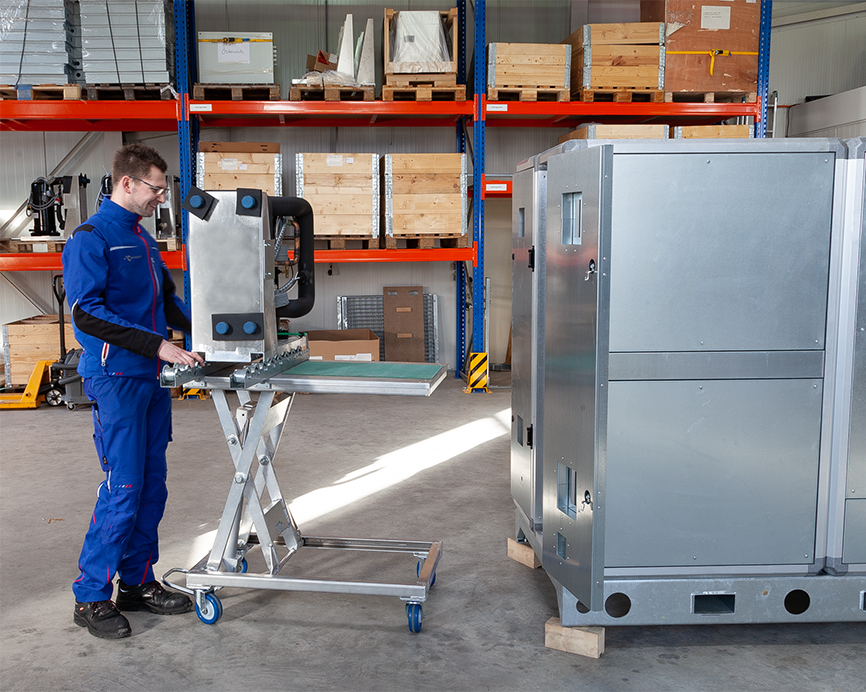
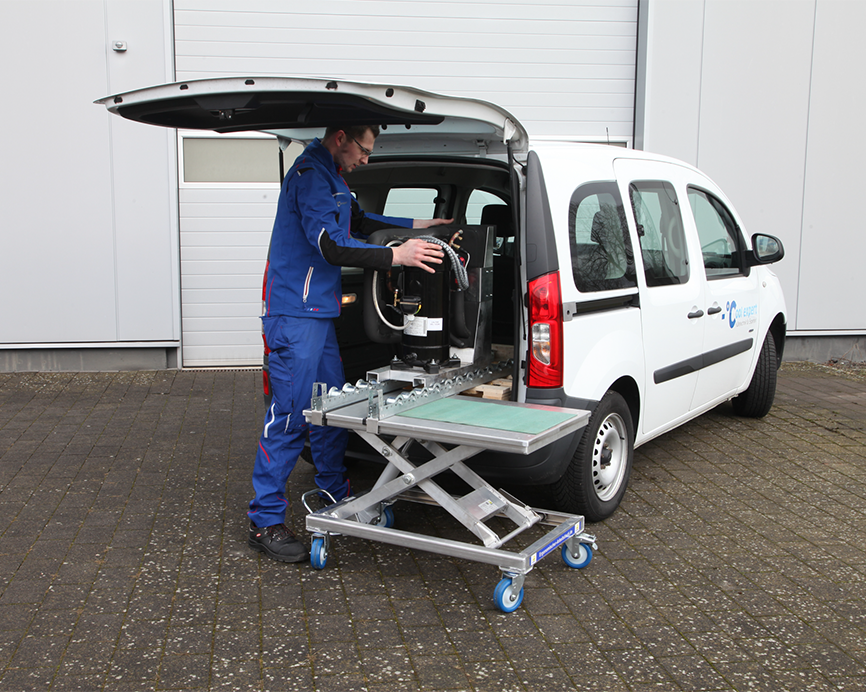
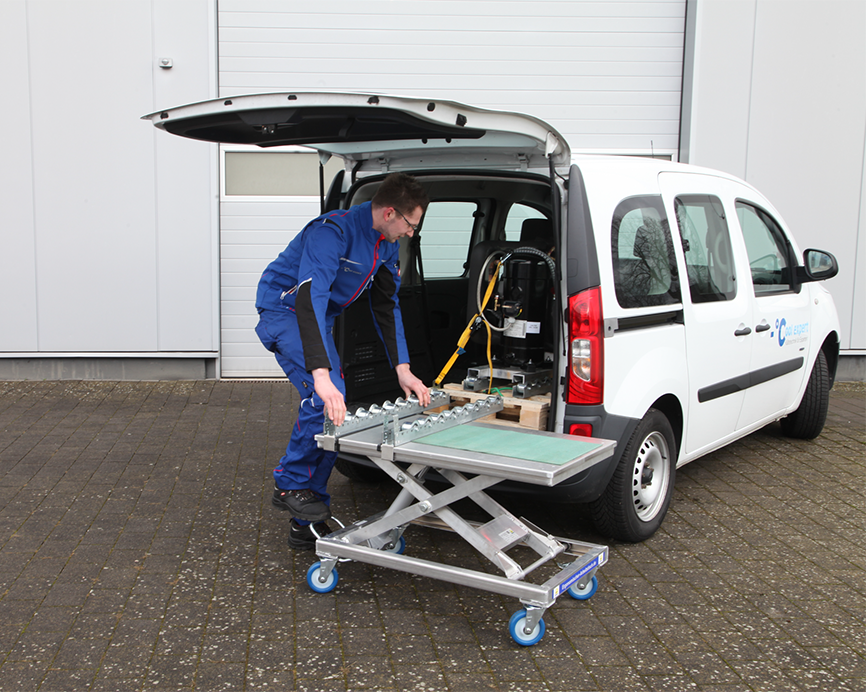
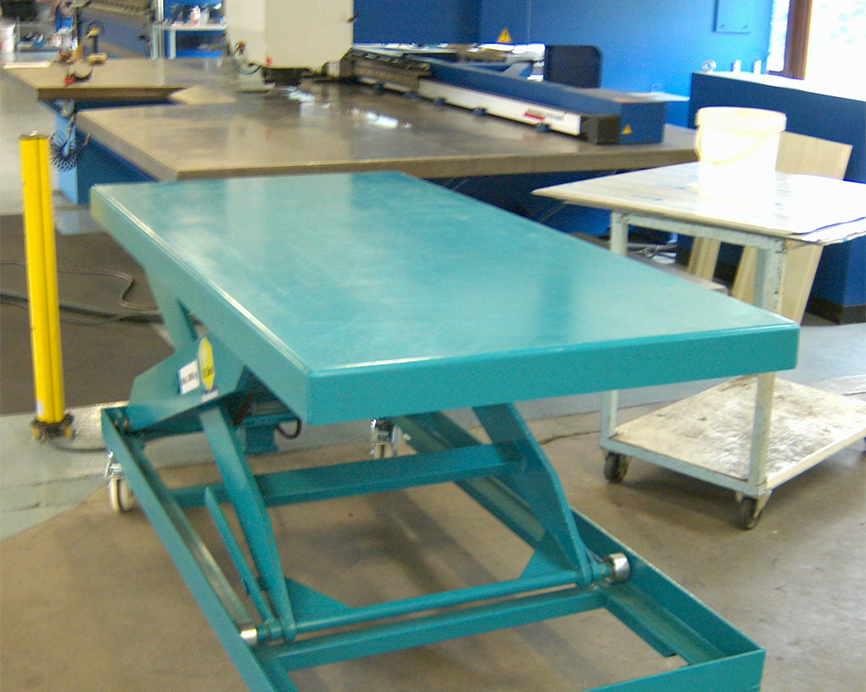
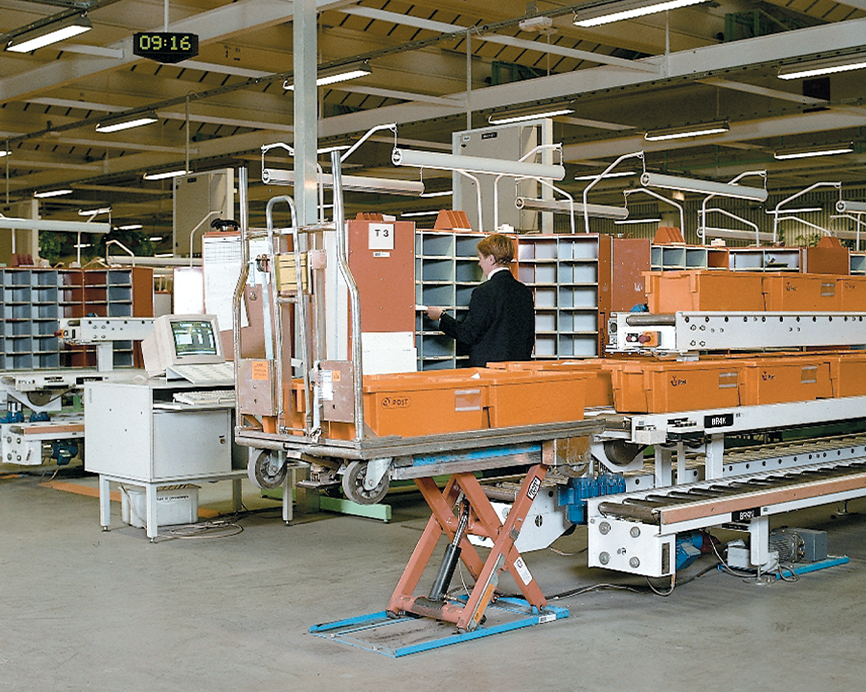
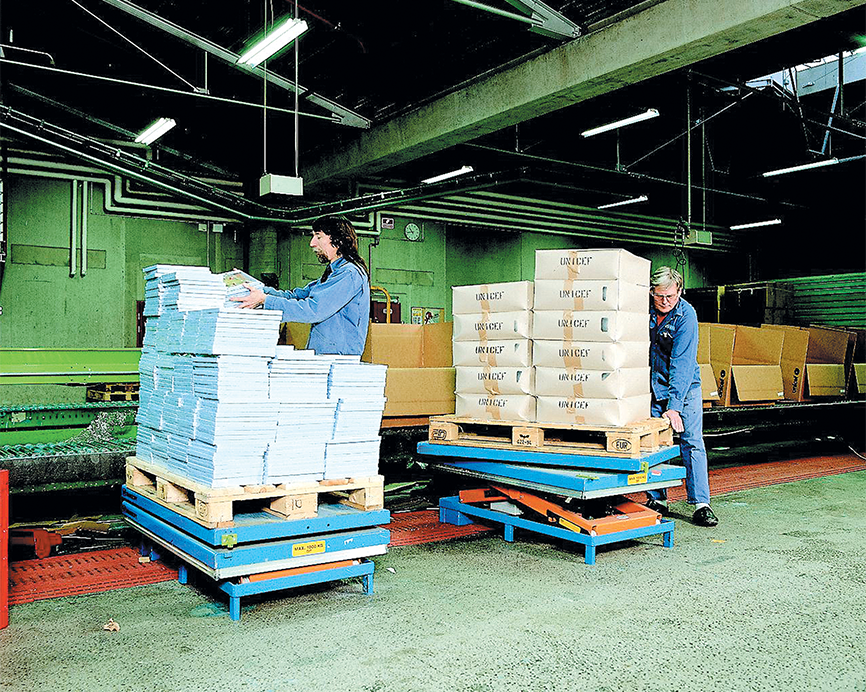
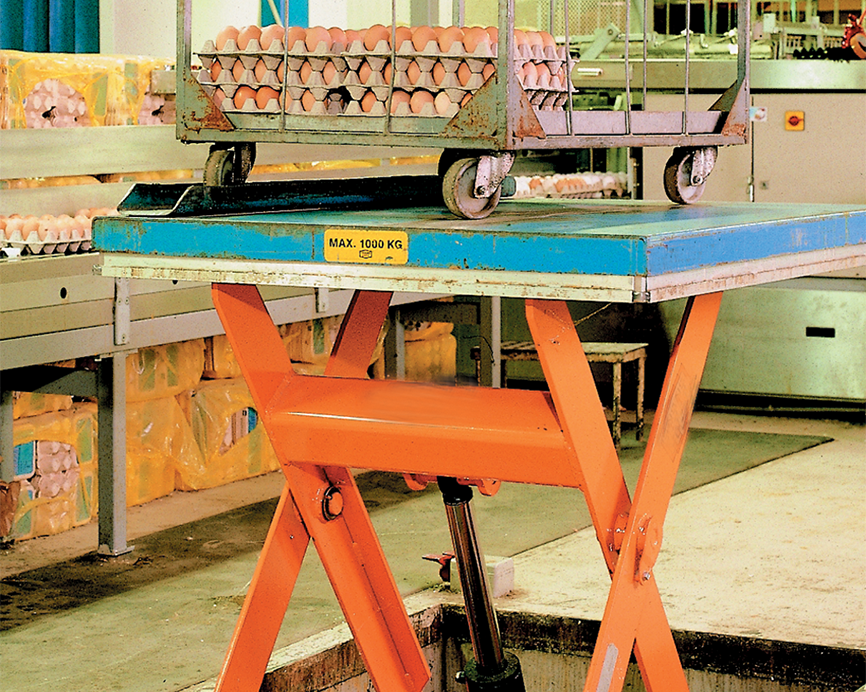
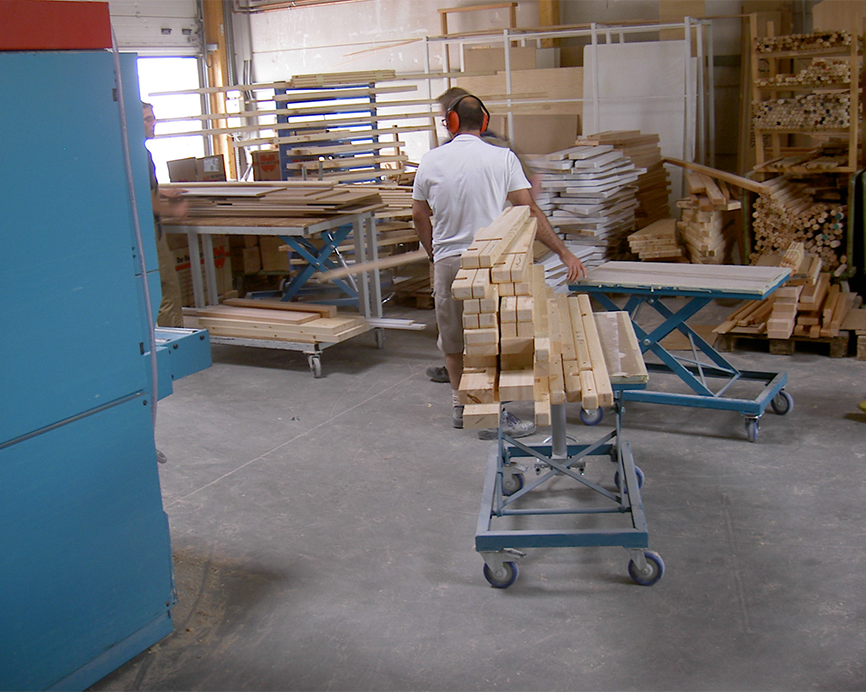
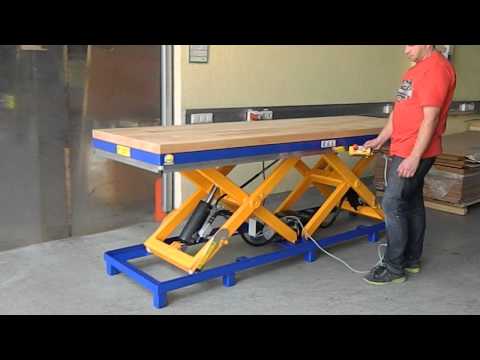
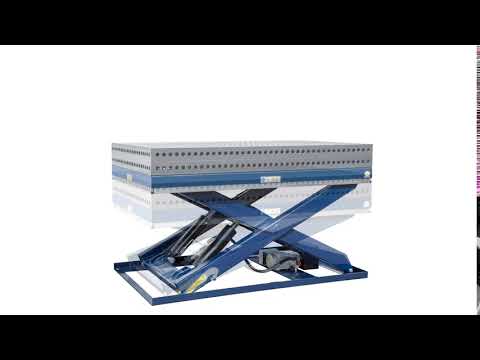
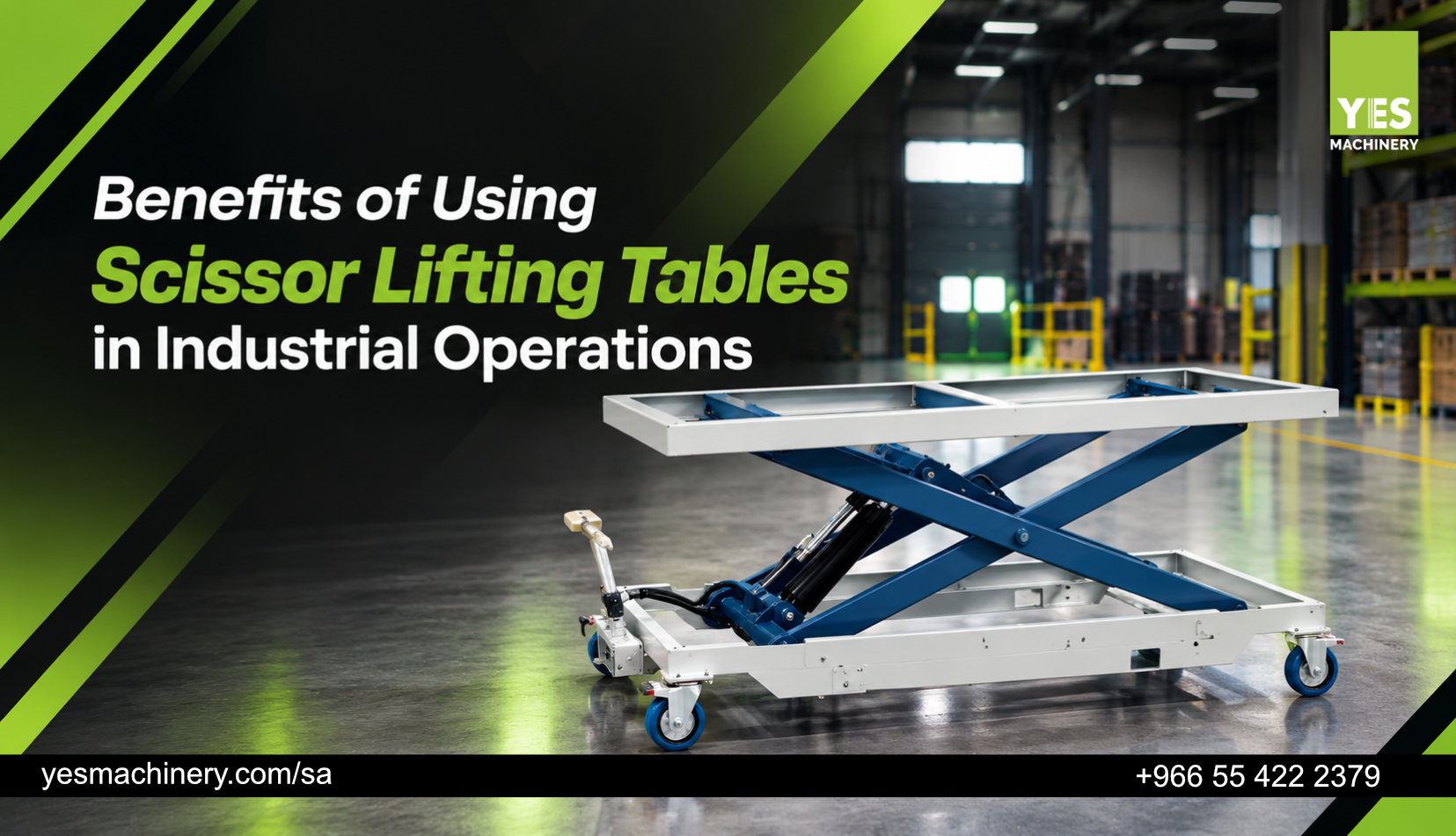
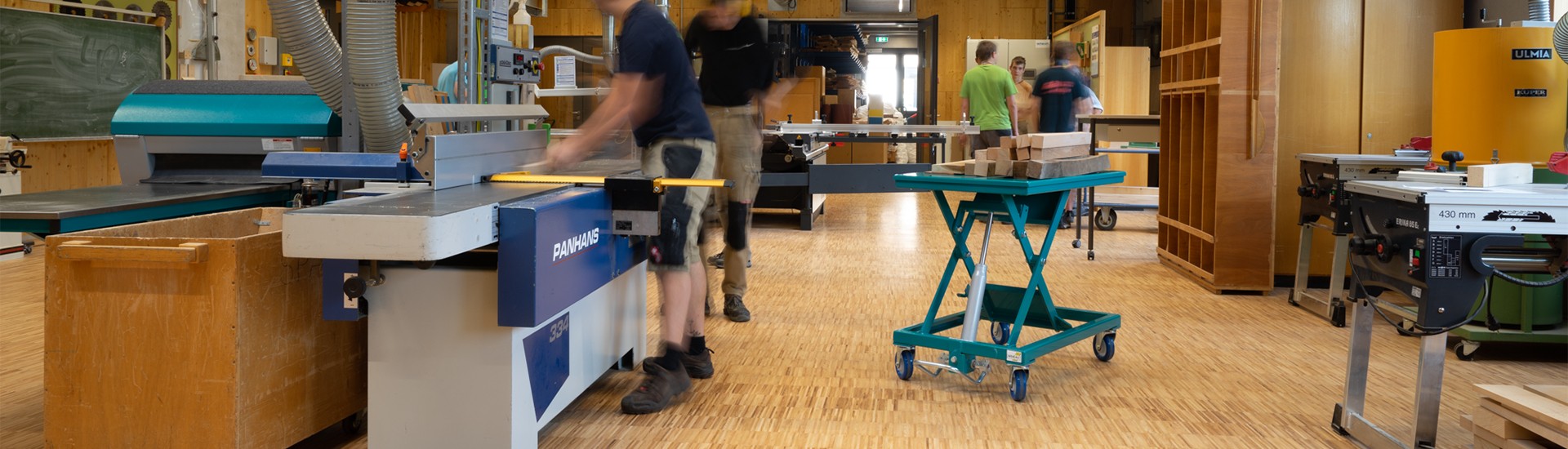
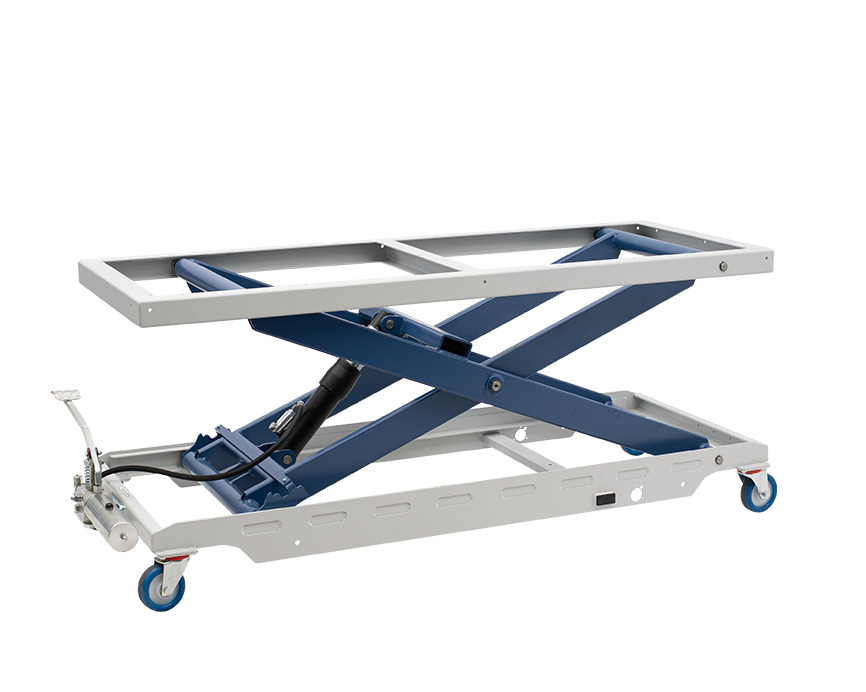
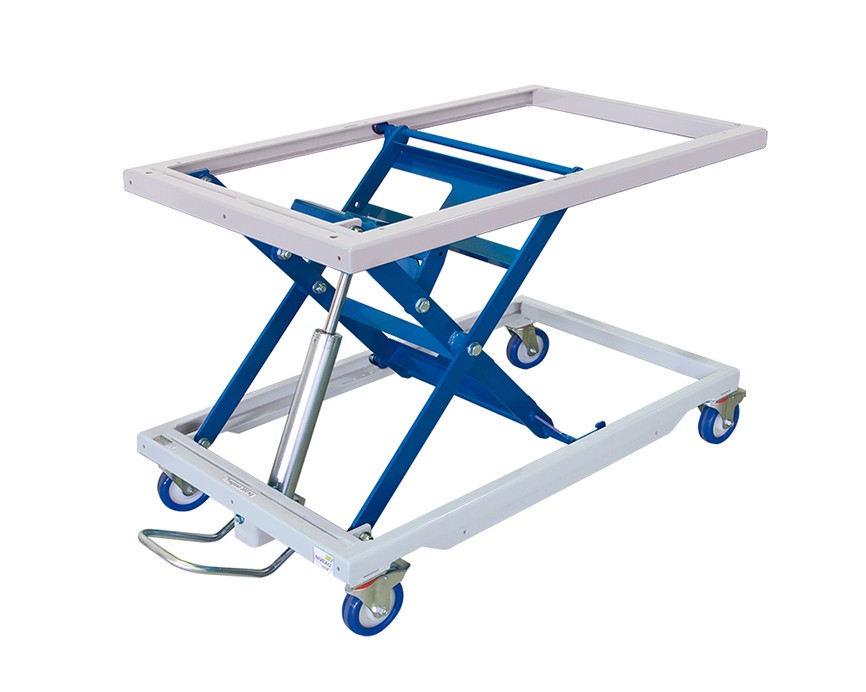
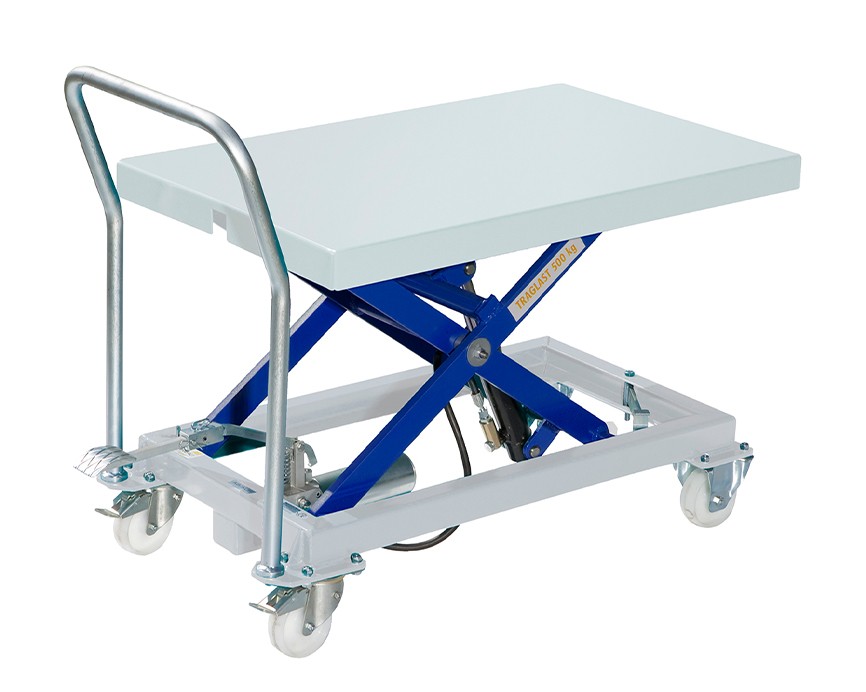
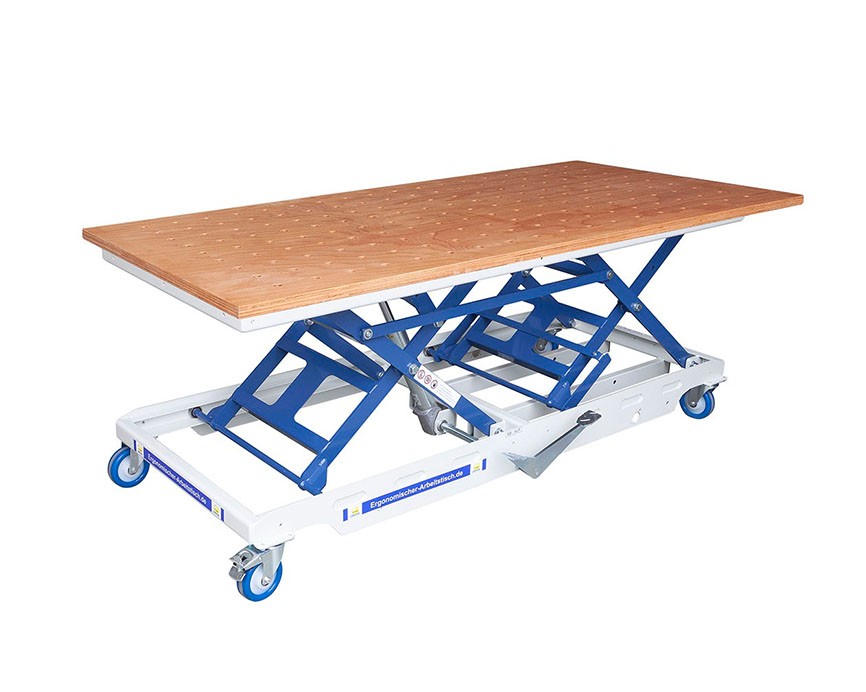
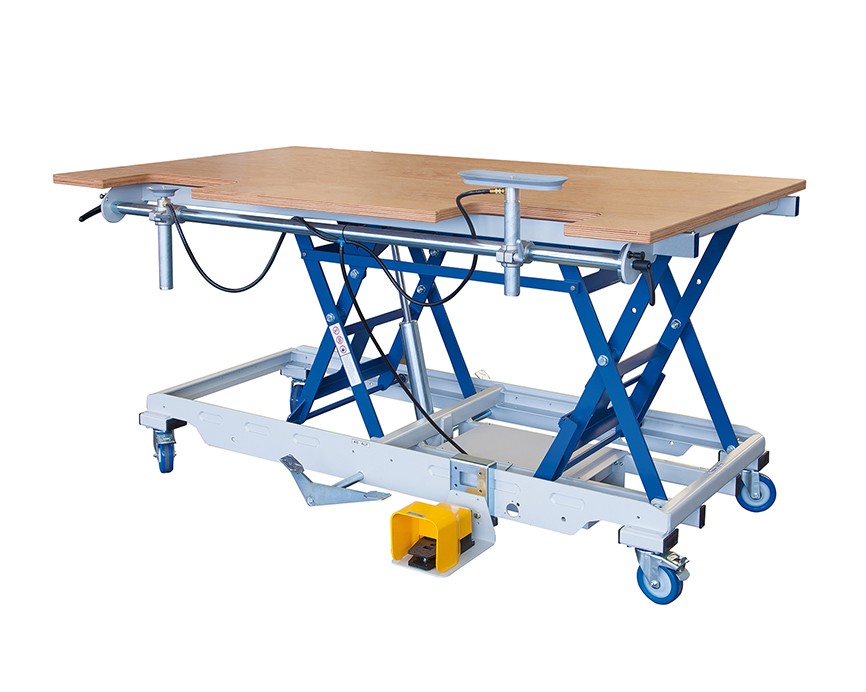
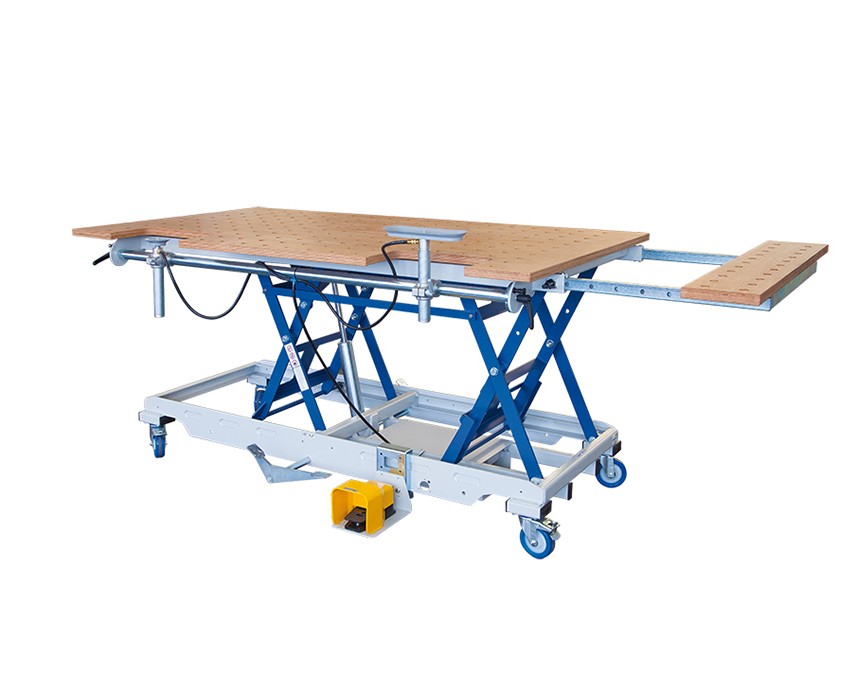
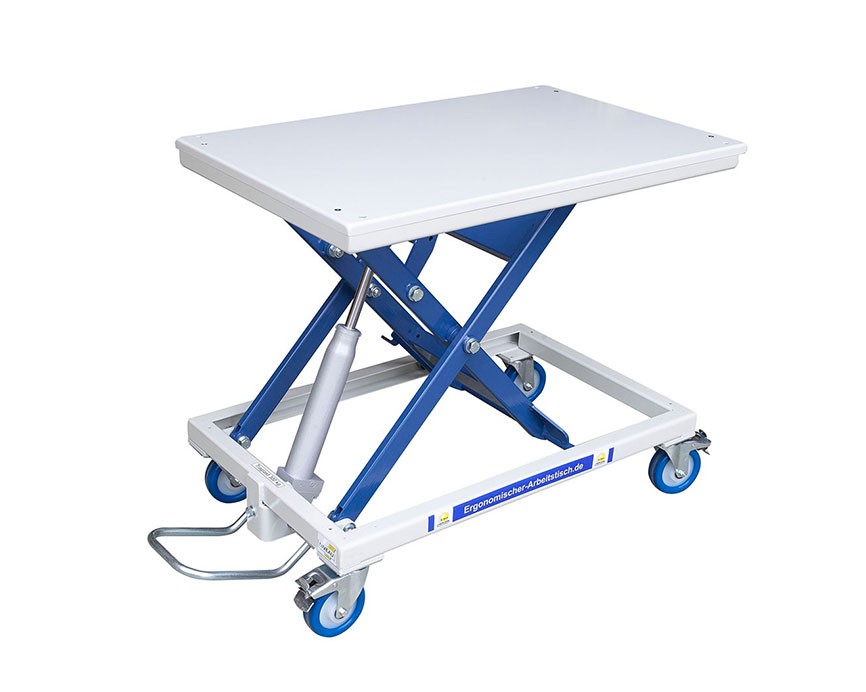
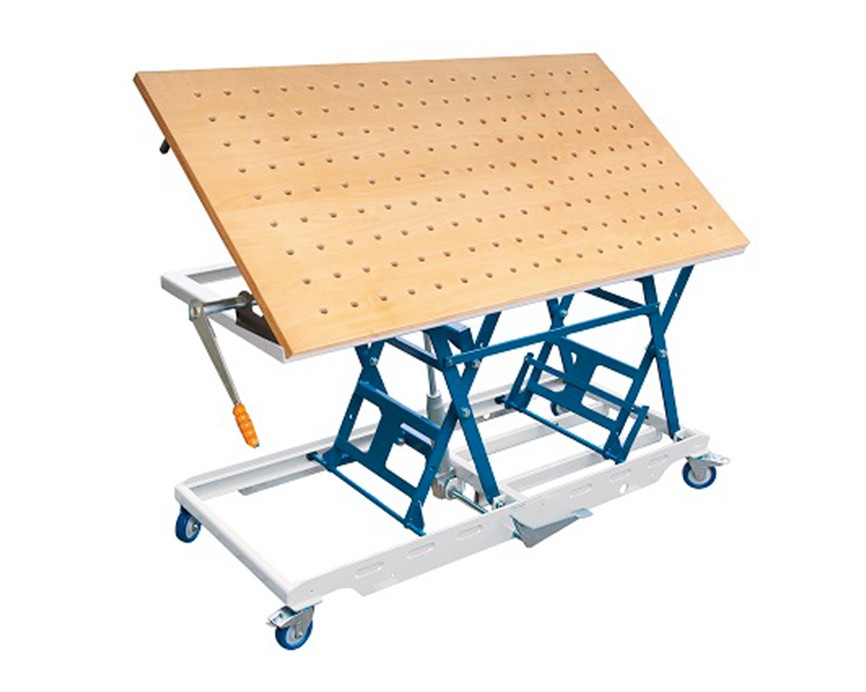
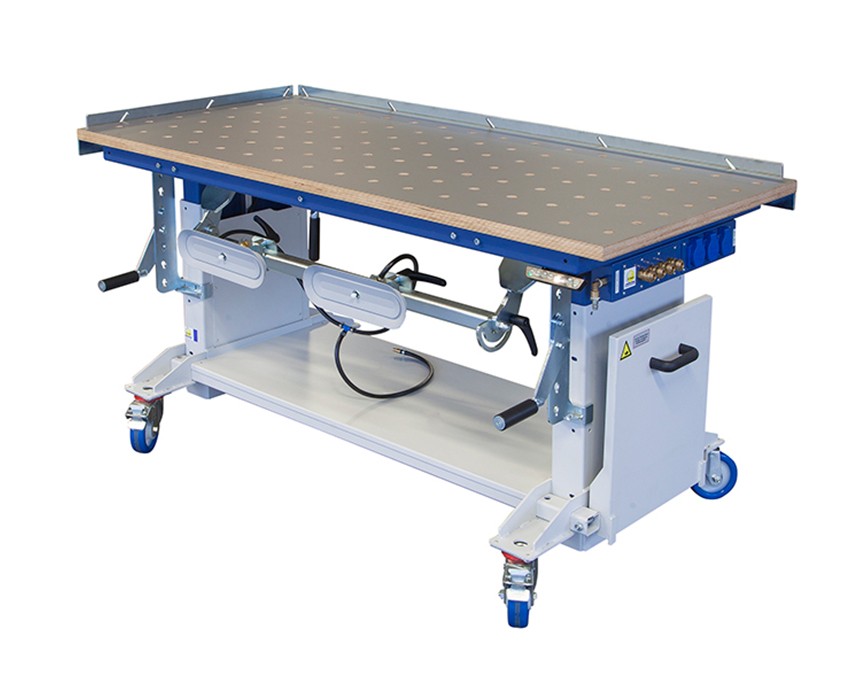
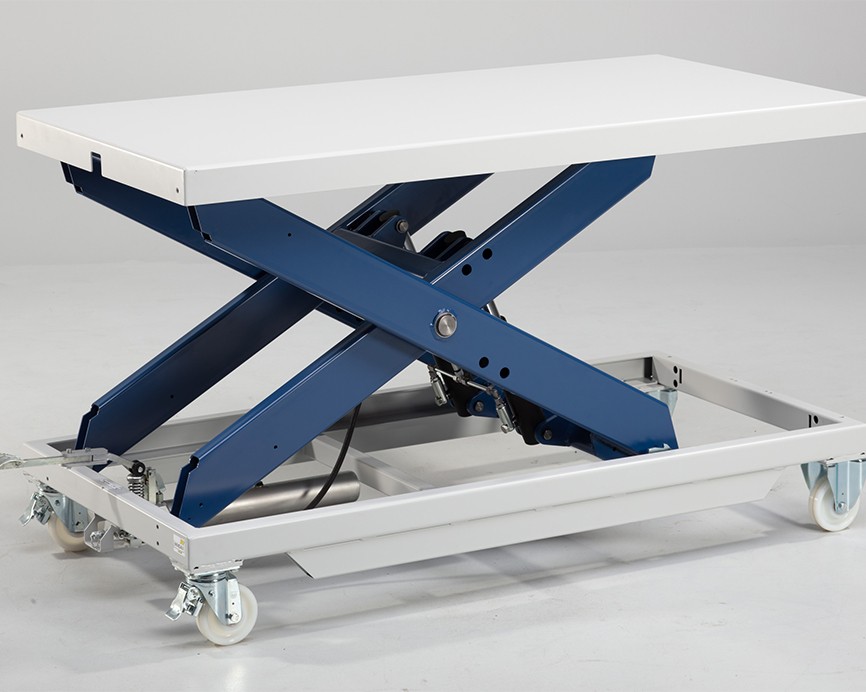
Scissor lifters, as their name suggests, are used to raise or lower materials vertically using a folding mechanism that opens and closes like a pair of scissors. Tilt tables are closely associated with scissor lifters but they provide an entirely different yet essential motion: the operator is usually stationary at a certain height, and when the scissor lifter raises it vertically, the tilt table angles the load so the worker is able to reach inside without leaning in, resulting in effortless ma...
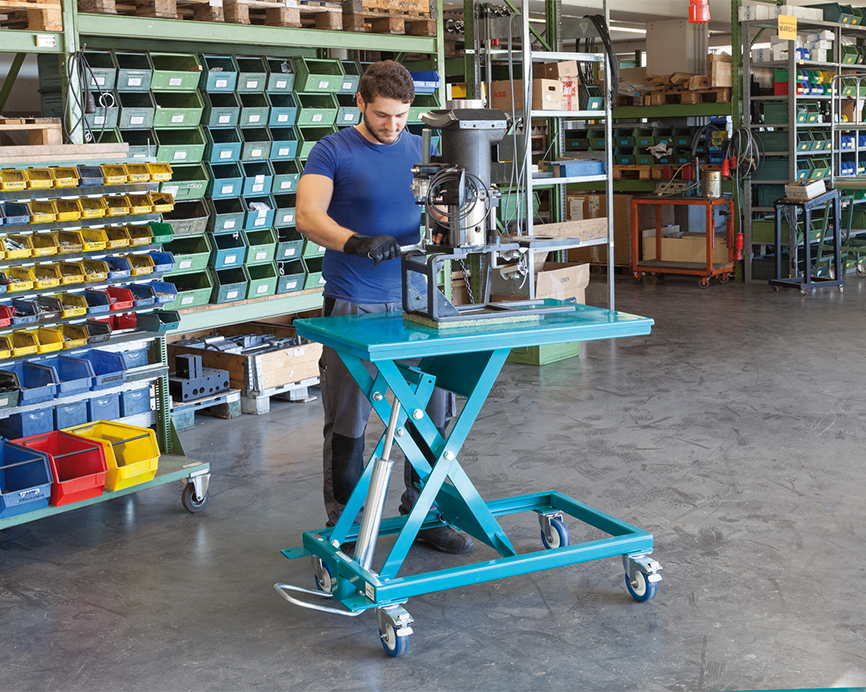
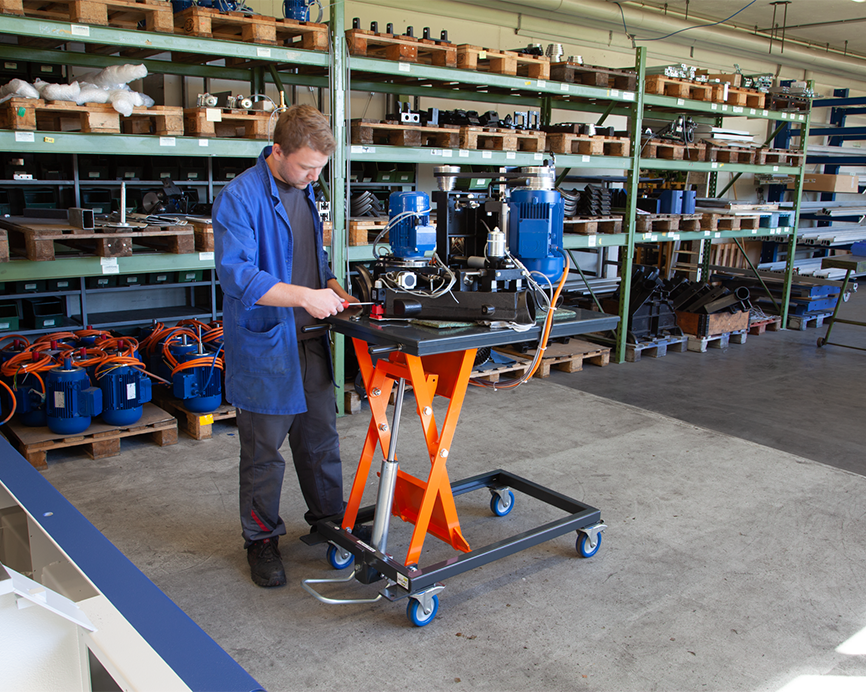
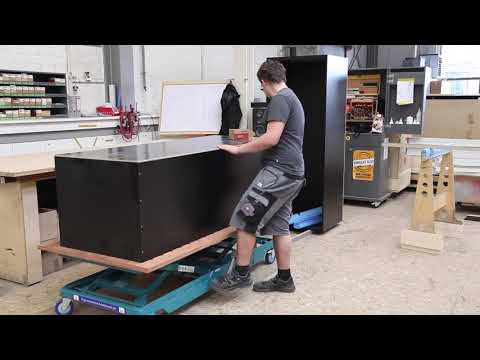
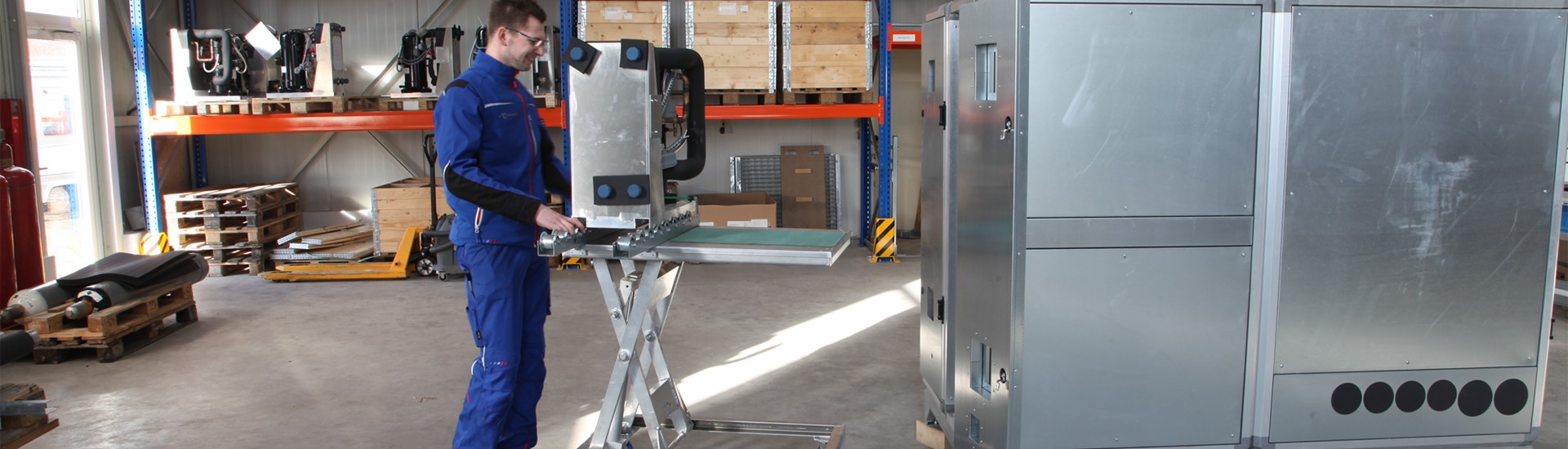
Scissor lifters, as their name suggests, are used to raise or lower materials vertically using a folding mechanism that opens and closes like a pair of scissors. Tilt tables are closely associated with scissor lifters but they provide an entirely different yet essential motion: the operator is usually stationary at a certain height, and when the scissor lifter raises it vertically, the tilt table angles the load so the worker is able to reach inside without leaning in, resulting in effortless material handling.
- Vertical lifting for safe load positioning
- Scissor mechanism for stable load support
- Adjustable working height
- Tilt function
- Eliminates manual lifting
- Safer handling of heavy materials
- Improves workflow
- Compact design
- Suitable for repetitive lifting
- Available in multiple load capacities
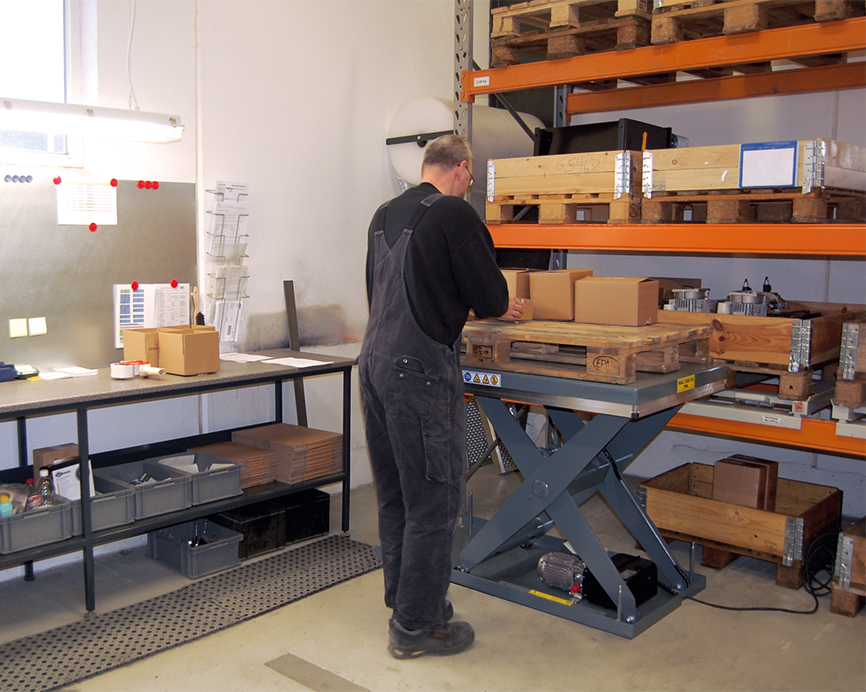
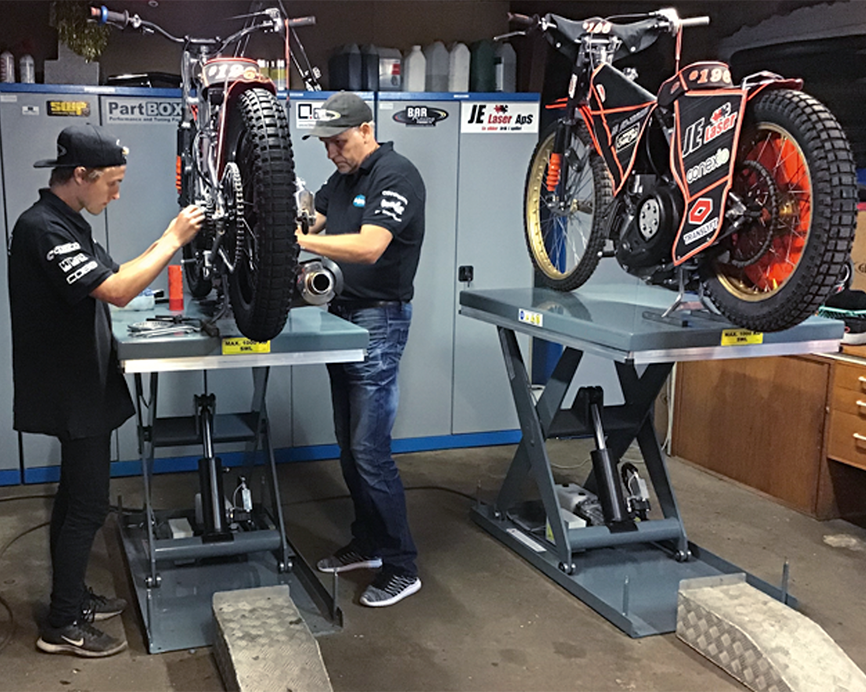
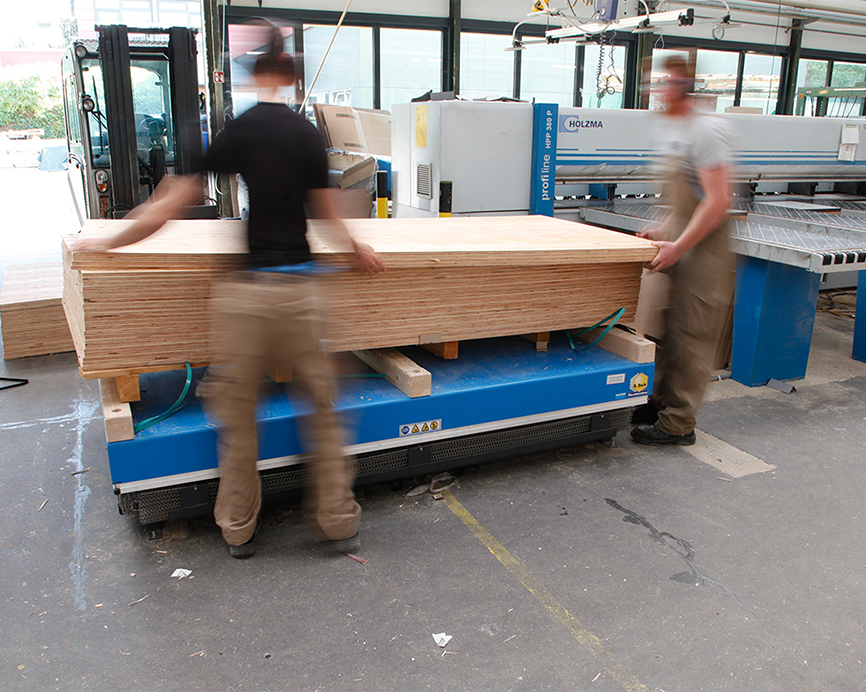
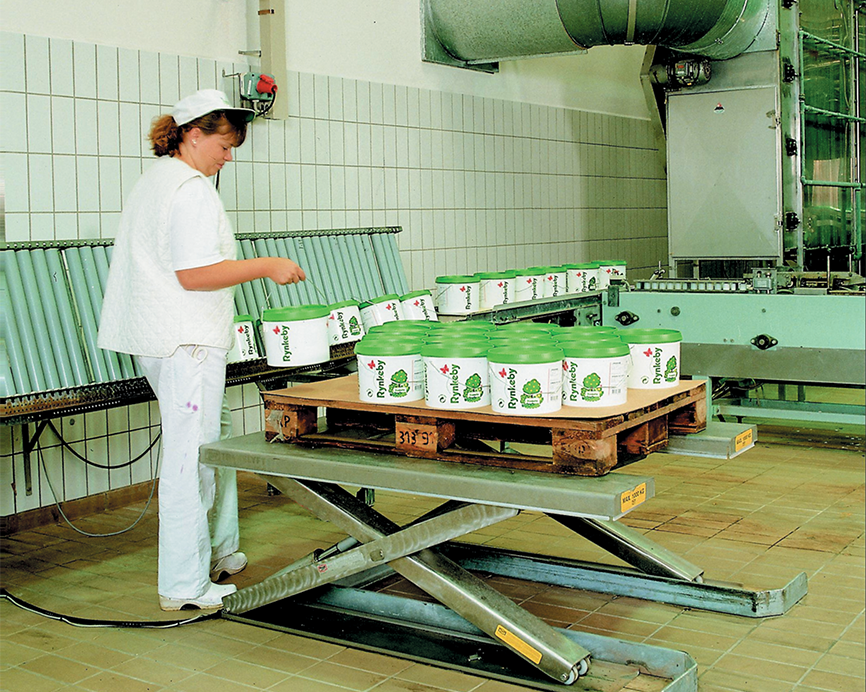
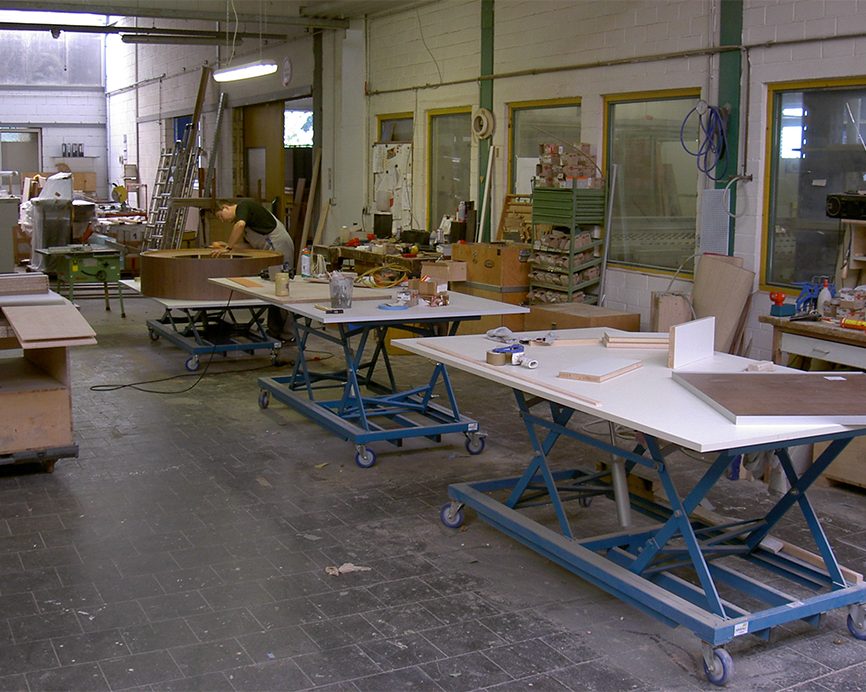
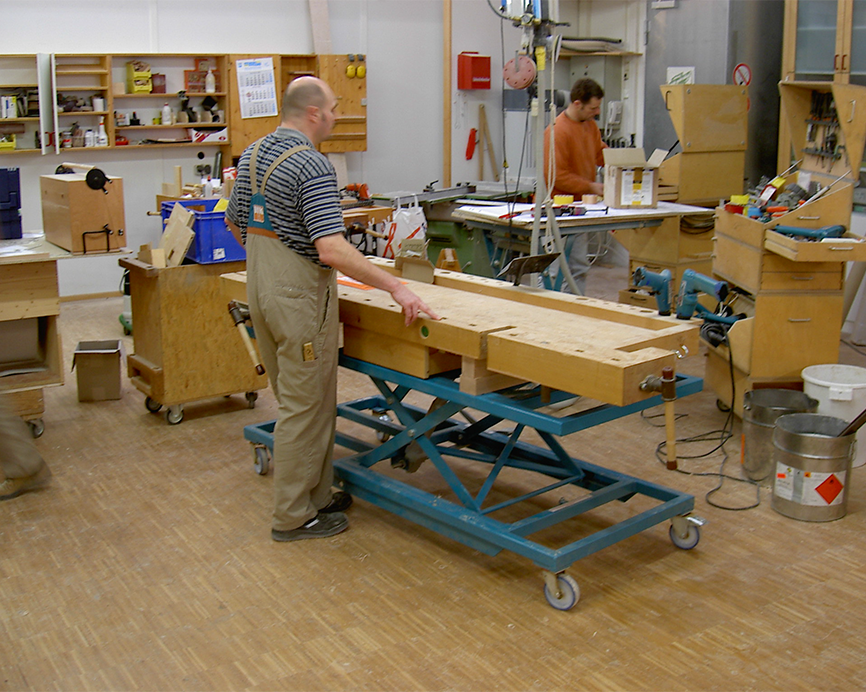
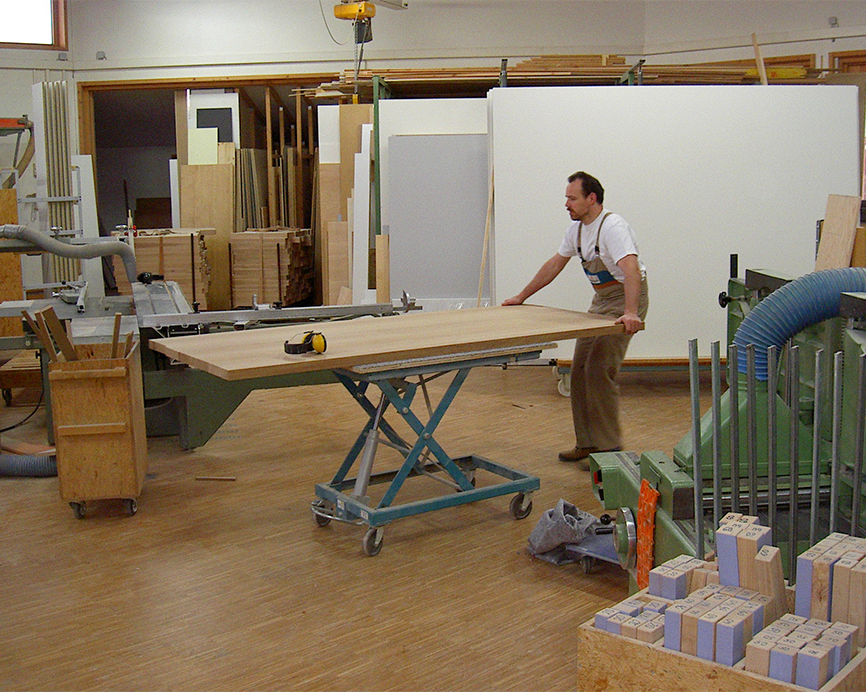
Scissor lifting tables of the TL lifting table series with simple scissor devices are available in different designs and sizes, with a maximum lifting altitude of up to 3,000 mm. They have been specifically designed for areas where heavy and differently sized work items are moved and processed. They are used in production, maintenance as well as organization, with the maximum carrying capacity being 10,000 kg. A special stainless-steel version for food operations adds to the many standard versions.
- Material handling and internal logistics
- Loading and unloading operations
- Assembly and production lines
- Packaging and pallet handling
- Warehouse and storage facilities
- Manufacturing and fabrication environments
- Workstation height adjustment applications
- Component feeding and part picking
- Industrial processing operations
- Ergonomic handling of heavy loads